





Blog
How to Import African Food Products for Your Business

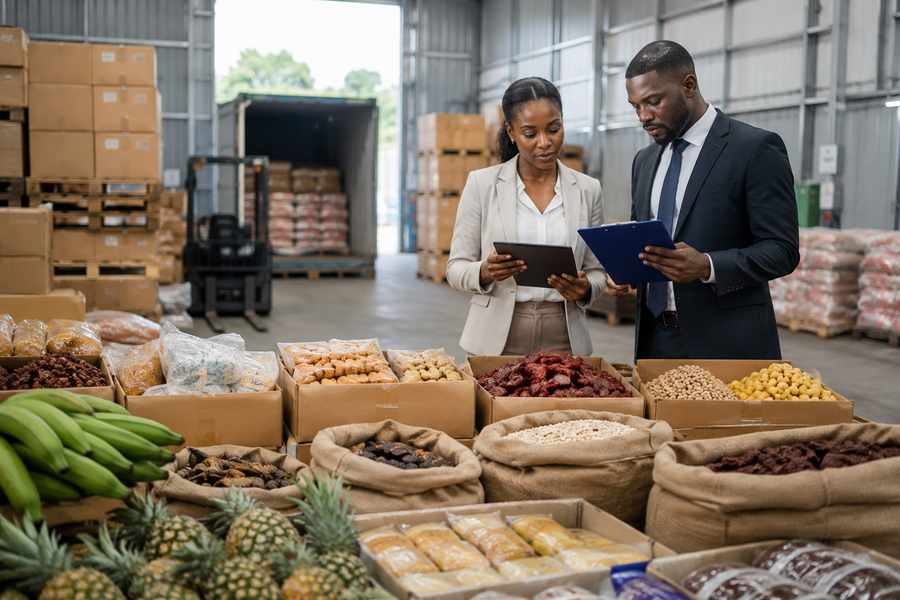
Africa is one of the world’s richest sources of premium raw agricultural products — cocoa, coffee, spices, oils, and specialty beverages that supply some of the biggest food and beverage brands on the planet. For importers, distributors, and food manufacturers looking to diversify their supply chain, sourcing directly from African producers can mean better quality, more competitive pricing, and stronger margins than buying through multiple layers of middlemen.
But importing food products from Africa isn’t as simple as placing an order and waiting for a container to arrive. Between supplier vetting, quality control, documentation, and international logistics, there’s a real learning curve. This guide walks you through exactly how to import African food products for your business, step by step.
Why Import Food Products from Africa?
Africa produces a significant share of the world’s most in-demand agricultural commodities. Several factors make the continent an attractive sourcing region for food businesses worldwide:
- Competitive pricing at the source — buying closer to the farm cuts out layers of intermediary markups.
- High-quality raw materials — countries like Cameroon, Côte d’Ivoire, and Ghana are known for premium cocoa and coffee grown in ideal climates.
- Product diversity — from cocoa and coffee to spices, oils, and beverages, African exporters can supply a wide catalog under one relationship.
- Growing trade infrastructure — ports, export documentation systems, and logistics partners across West and Central Africa have improved significantly, making cross-border trade smoother than it was a decade ago.
Popular African Food Products for Import
Some of the most sought-after African food exports for B2B buyers include:
- Cocoa beans — a core ingredient for chocolate manufacturers and confectioners worldwide, with West and Central Africa supplying a large share of global cocoa.
- Coffee beans — Arabica and Robusta varieties prized for their distinct flavor profiles.
- Ginger — used in food processing, beverages, pharmaceuticals, and cosmetics.
- Chili pepper (piment) — a staple raw material for sauce makers, spice blenders, and seasoning brands.
- Red palm oil — valued both for traditional West African cuisine and as an ingredient in food manufacturing.
- White wine and other specialty beverages — an emerging category for buyers looking to diversify their catalog.
Each of these products has its own harvest calendar, grading system, and export requirements, which is why working with an experienced sourcing partner matters.
Step-by-Step: How to Import African Food Products
1. Define Your Product Needs and Volume
Before contacting suppliers, clarify exactly what you need: product type, grade or quality specification, packaging format, and order volume (trial order vs. recurring bulk supply). Clear specifications make it much easier for a supplier to quote accurately and avoid miscommunication later.
2. Find and Vet a Reliable Supplier
This is the step where most import projects succeed or fail. Look for a supplier or export company that can demonstrate:
- A track record of exporting to international B2B clients
- Transparent sourcing (direct relationships with producers/cooperatives, not just resale)
- Clear communication and responsiveness
- The ability to provide samples before a full order
- Proper export documentation and compliance history
Working with a single wholesale exporter who can supply several product categories (cocoa, coffee, ginger, chili, oils) under one relationship also simplifies logistics and reduces the number of suppliers you need to manage.
3. Request Samples and Verify Quality
Never place a bulk order without first reviewing samples. Check moisture content, grading, packaging integrity, and consistency with the specification you agreed on. For commodities like cocoa and coffee, third-party quality inspection is common practice for larger orders.
4. Negotiate Terms: Pricing, Incoterms, and Payment
Agree on:
- Pricing — per kilo/ton, in your preferred currency
- Incoterms (FOB, CIF, EXW, etc.) — this determines who’s responsible for shipping, insurance, and customs at each stage
- Payment terms — deposit and balance structure, accepted payment methods, and currency
- Delivery timeline — including production or aggregation time before shipment
A written, signed order agreement or proforma invoice protects both sides and should specify exact product quantities, quality specs, and delivery obligations.
5. Handle Export and Import Documentation
Typical documents required for food product imports include:
- Commercial invoice and packing list
- Certificate of origin
- Phytosanitary certificate (for plant-based products like cocoa, coffee, ginger, and chili)
- Bill of lading (sea freight) or airway bill (air freight)
- Import permits or food safety certifications required by your destination country
Requirements vary by country and product, so confirm the exact list with your customs broker or import authority before shipment.
6. Arrange Logistics and Freight
Sea freight is the standard choice for bulk commodity orders (cocoa, coffee, oil) due to cost efficiency, while air freight may suit smaller or time-sensitive shipments. Confirm:
- Port of loading and destination port
- Estimated transit time
- Freight forwarder or logistics partner on both ends
- Insurance coverage for the shipment
7. Clear Customs and Receive Your Goods
Once your shipment arrives, your customs broker will handle import duties, taxes, and inspection requirements specific to your country’s food import regulations. Having complete, accurate documentation from step 5 is what makes this stage fast rather than a bottleneck.
Common Challenges (and How to Avoid Them)
- Inconsistent quality between sample and bulk order — mitigate by working with suppliers who use standardized grading and by requesting inspection reports for larger shipments.
- Delays in documentation — avoid by confirming document requirements with your supplier and customs broker before the order is finalized, not after shipment.
- Communication gaps across time zones and languages — choose a supplier with responsive, professional communication channels (email, WhatsApp Business, or a dedicated account contact).
- Currency and payment risk — use secure payment methods and agree on clear deposit/balance terms in writing.
Final Thoughts
Importing African food products — from cocoa and coffee to ginger, chili pepper, and red palm oil — can give your business access to high-quality raw materials at competitive prices, provided you work with a trustworthy, experienced export partner and follow the proper sourcing and logistics process. Start with a trial order, verify quality and reliability, and build the relationship into a stable recurring supply chain.
If you’re looking for a direct B2B wholesale supplier of African cocoa, coffee, ginger, chili pepper, red palm oil, and specialty beverages, get in touch to request samples and pricing for your first order.